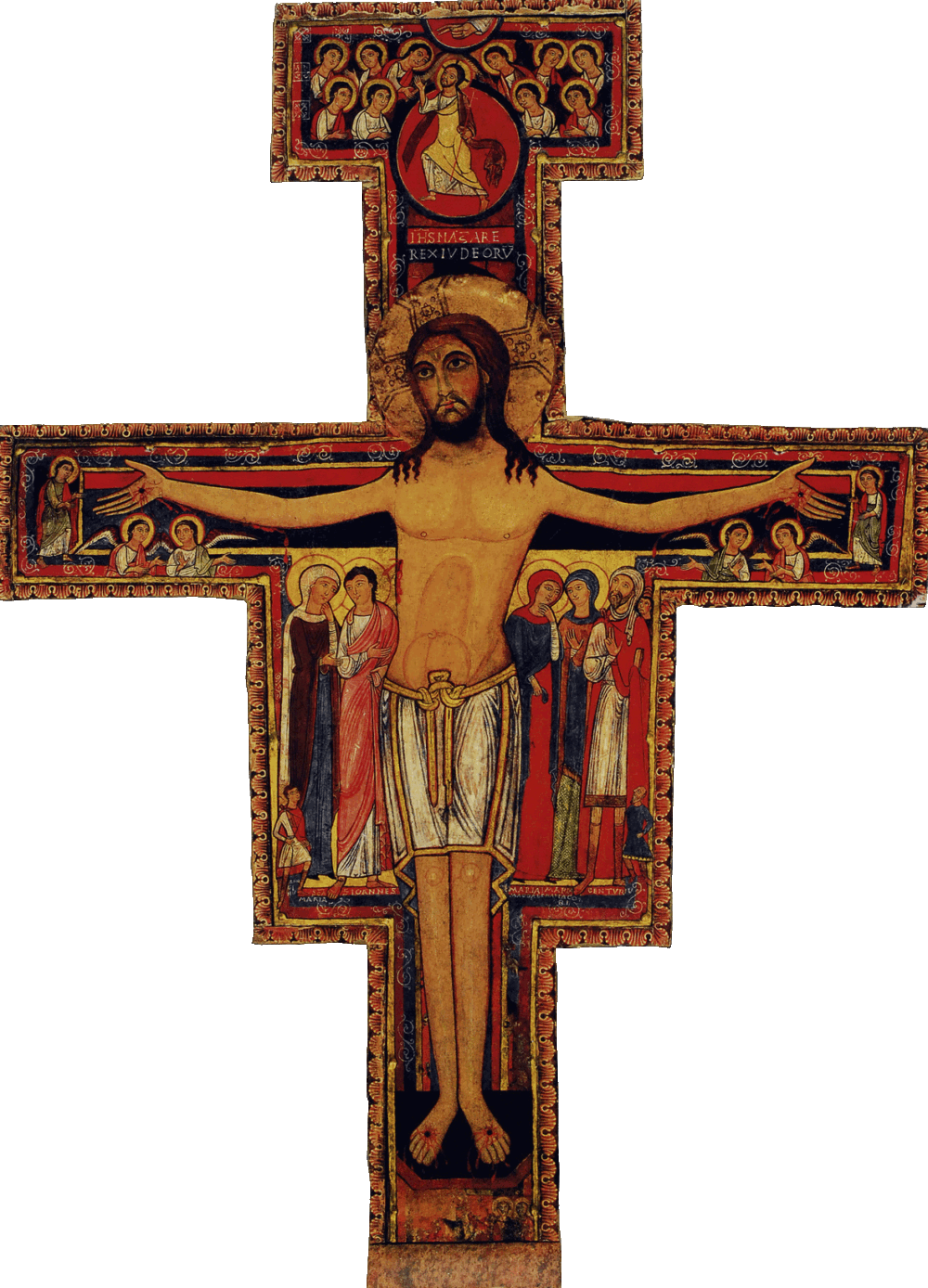
“May the message of peace find a profound echo in the Church and society today.” POPE LEO XIV
Welcome to the Jubilee Year of St Francis. Proclaimed by Pope Leo XIV to mark the 800th anniversary of the death of St Francis of Assisi, this special year runs from 10 January 2026 to 10 January 2027. The faithful are invited to follow the example of St Francis, becoming models of holiness and constant witnesses of peace.
This page brings together pilgrimage information, local celebrations, prayer resources and guidance on receiving the plenary indulgence in the Diocese of Wollongong. May this year draw us more deeply into the Gospel and inspire peace with God, with one another and with all creation.
Read the official decree proclaiming the Year of St Francis and granting the associated plenary indulgence:
The Jubilee marks the culmination of several Franciscan centenaries commemorating important moments in the life of St Francis, including the first Nativity scene at Greccio, the gift of the stigmata and the composition of the Canticle of the Creatures. In 2026, the Church marks 800 years since his death, traditionally known as his Transitus or passage to eternal life.
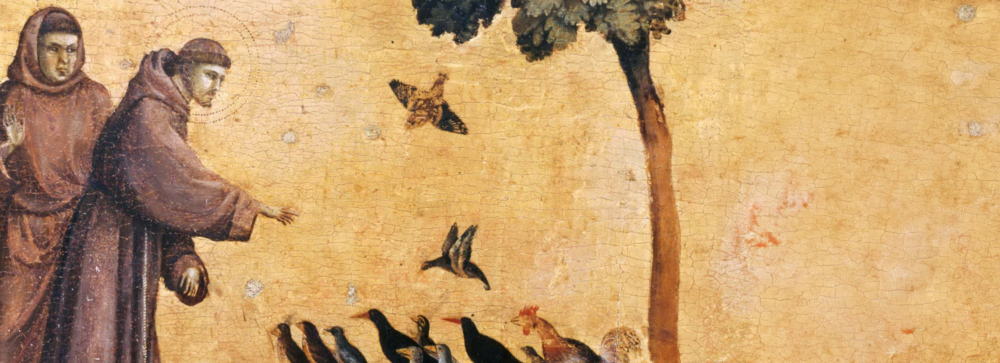
St Francis continues to speak to our own time through his radical commitment to the Gospel, his closeness to the poor and his witness to peace and reconciliation. Pope Leo XIV has called the Church to rediscover this spiritual legacy and to recognise that peace with God, peace among people and peace with creation belong to one call to universal reconciliation.
Franciscan Friar Fr Mark-Mary Ames CFR explains the meaning of the Jubilee Year of St Francis and offers three practical ways to take part: read the decree, spend time with the writings of St Francis, and learn more about his life and enduring witness to the Gospel.
Watch the video below:
The plenary indulgence: a gift of mercy
The decree officially establishes the Year of St Francis from 10 January 2026 to 10 January 2027. It encourages Catholics to follow the example of St Francis through prayer, conversion, charity and a commitment to peace.
A plenary indulgence is a gift of God’s mercy that remits the temporal punishment remaining from sins already forgiven through the Sacrament of Reconciliation. It is not a spiritual shortcut or a reward for completing a list of tasks. It is an invitation to encounter God, receive his mercy and allow his grace to bring deeper conversion.
The indulgence is available, under the usual conditions, to those who make a pilgrimage to an eligible church connected with St Francis and spend time there in prayer or take part in a Jubilee celebration. The required detachment from sin does not mean being perfect. It means making a sincere decision to reject sin and turn towards God, even while recognising our weakness.
Those unable to travel because of illness, age, caring responsibilities or another serious reason may join spiritually from home. The indulgence may be received for oneself or offered for a soul in purgatory.
To receive the indulgence, the faithful must fulfil the usual conditions:
Detachment from sin
Foster a true desire to avoid all sin, even venial sins (minor sins that harm but do not completely sever our relationship with God). This involves a commitment to turn away from sin and turn towards God.
Sacrament of Reconciliation
Receive the Sacrament of Reconciliation, normally within about 20 days before or after completing the indulgenced act.
Receive Holy Communion (the Body and Blood of Christ), ideally on the same day as performing the indulgenced act, to strengthen your union with God.
Prayers for the Pope’s intentions
Offer prayers for the intentions of the Pope (for the good of the Church and the world), such as an Our Father, Hail Mary or other prayers.
In addition to these usual conditions, the faithful must complete the particular act prescribed for the Year of St Francis.
Pilgrimage
The indulgence is available to the faithful who make a pilgrimage to:
a Franciscan conventual church; or
any place of worship throughout the world named after St Francis or connected with him for any reason.
At the church or place of worship, pilgrims must either participate devoutly in the Jubilee rites or spend a suitable period of time in prayer and meditation.
The visit should conclude with:
the Our Father
the Creed
invocations to the Blessed Virgin Mary
invocations to St Francis of Assisi, St Clare and the saints of the Franciscan family.
Within the Diocese of Wollongong, the faithful are particularly encouraged to make a pilgrimage to either:
Visit the parish websites for opening hours and Mass times. Please contact the parish before visiting outside scheduled Mass times.
Members of the Franciscan family
expand_more
The indulgence is also granted to members of the Franciscan First, Second and Third Orders, both Regular and Secular, as well as members of institutes, societies and associations that follow the Rule of St Francis, draw inspiration from his spirituality or continue his charism.
They must fulfil the usual conditions and participate devoutly in the Year of St Francis.
For those unable to travel
expand_more
The elderly, the sick, their carers and anyone unable to leave home for a serious reason may also receive the indulgence.
They should:
be detached from sin
intend to fulfil the usual conditions as soon as they are able
unite themselves spiritually with the Jubilee celebrations
offer their prayers and the difficulties or sufferings of their lives to God.
This provision allows those prevented from making a physical pilgrimage to share fully in the spiritual graces of the Jubilee Year.
A gift for the living and the dead
expand_more
The plenary indulgence may be received for oneself or offered for a deceased person. Offering it for a soul in Purgatory is an act of charity that expresses the communion shared by the whole Church.
The indulgence cannot be applied to another living person.
Throughout this Jubilee Year, may the example of St Francis lead us to deeper conversion and help us become faithful witnesses of the peace that comes from Christ.
Year of St Francis pilgrimage churches
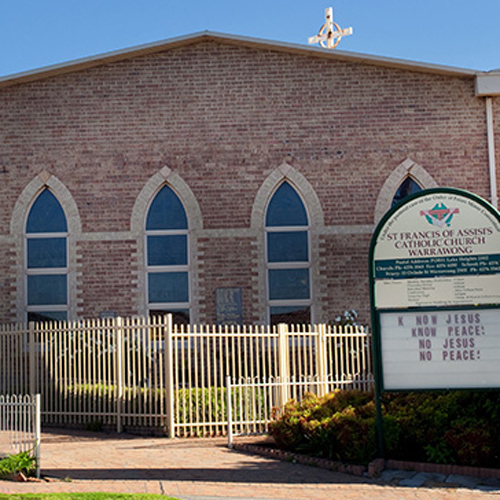
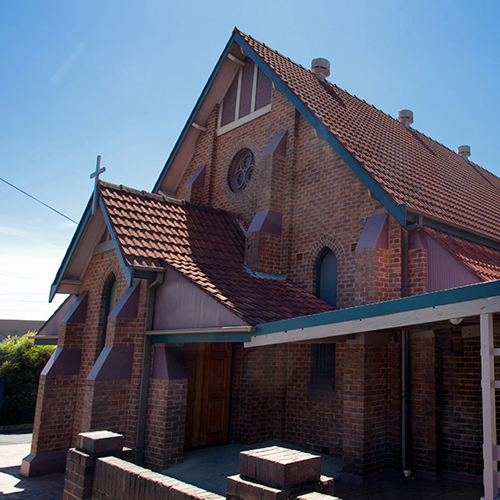
During the Jubilee Year, the faithful may make a pilgrimage to a Franciscan conventual church or another place of worship dedicated or connected to St Francis. In the Diocese of Wollongong, pilgrims are particularly encouraged to visit the churches at Warrawong and Thirroul.
Before visiting, please check the parish websites for opening hours and Mass times. Contact the parish before visiting outside scheduled Mass times.
In his letter marking the opening of the eighth centenary of the death of St Francis, Pope Leo XIV offered this prayer for the Jubilee Year. Through the intercession of St Francis, it asks for the courage to overcome division, build bridges and become witnesses to the peace that comes from Christ.
Saint Francis, our brother, you who eight hundred years ago
went to meet Sister Death as a man at peace,
intercede for us before the Lord.
You recognized true peace in the Crucifix of San Damiano,
teach us to seek in Him the source of all reconciliation
that breaks down every wall.
You who, unarmed, crossed the lines of war
and misunderstanding,
give us the courage to build bridges
where the world raises up boundaries.
In this time afflicted by conflict and division,
intercede for us so that we may become peacemakers:
unarmed and disarming witnesses of the peace that comes from Christ.
Amen
Year of St Francis events
The Feast of St Francis will be celebrated at both churches on Sunday 4 October 2026. All are welcome.
Further details will be announced closer to the date.
Service Agreement
Definitions
Account means the account held at your financial institution from which we are authorised to arrange for funds to be debited.
Agreement means this Direct Debit Request Service Agreement between you and us, including the direct debit request.
Business day means a day other than a Saturday or a Sunday or a listed public holiday.
Debit day means the day that payment is due.
Debit payment means a particular transaction where a debit is made, according to your direct debit request.
Direct debit request means the Direct Debit Request between us and you.
Us and we and our means the Catholic Development Fund.
You means the customer(s) who signed the direct debit request. Your financial institution is the financial institution where you hold the account that you have authorised us to arrange to debit.
Debiting your account
By submitting a direct debit request, you have authorised us to arrange for funds to be debited from your account according to the agreement we have with you.
We will only arrange for funds to be debited from your account:
As authorised in the direct debit request; if the debit day falls on a day that is not a business day, we may direct your financial institution to debit your account on the following or previous business day. If you are unsure about which day your account has or will be debited, please check with your financial
Changes by you
If you wish to stop or defer a debit payment you must write to us at least 5 business days before the next debit day.
This notice should be given to us in the first instance.
Your obligations
It is your responsibility to ensure that there are sufficient clear funds available in your account to allow a debit payment to be made.
If there are insufficient clear funds available in your account to meet a debit payment:
you or your account may be charged a fee and/or interest by your financial institution;
you or your account may be charged a fee to reimburse us for charges we have incurred for the failed transaction;
you must arrange for the payment to be made by another method
Please check your account statement to verify that the amounts debited from your account are correct.
Dispute
If you believe that there has been an error in debiting your account you should call us on (02) 4222 2444 and confirm the details in writing with us as soon as possible so that we can resolve your query quickly.
Accounts
You should check:
with your financial institution whether direct debiting is available from your accounts offered by financial
your account details which you have provided to us are correct by checking them against a recent account statement; and
with your financial institution before completing the direct debit request if you have any queries about how to complete the direct debit
Warning: if the account number you have quoted is incorrect, you may be charged a fee to reimburse our costs in correcting any deductions from:
an account you do not have authority to operate; or
an account you do not
Confidentiality
We will keep any information (including your account details) in your direct debit request confidential.
We will make reasonable efforts to keep any such information that we have about you secure and to ensure that any of our employees or agents who have access to information about you, do not make any unauthorised use, modification, reproduction or disclosure of that information.
However, we may use your contact details to provide information about the fund. Should you wish this not to be the case, please advise the fund in writing.
Disclosure statement
The Catholic Development Fund, Diocese of Wollongong (the Fund) is required by law to make the following disclosure: The Fund is not prudentially supervised by the Australian Prudential Regulation Authority nor has it been examined or approved by the Australian Securities and Investments Commission. An investor in the Fund will not receive the benefit of the financial claims scheme or the depositor protection provisions in the Banking Act 1959 (Cth). Investments in the Fund are intended to be a means for investors to support the charitable, religious and education works of the Diocese of Wollongong and for whom the consideration of profit are not of primary relevance in the investment decision. The investments that the Fund offers are not subject to the usual protections for investors under the Corporations Act (Cth) or regulation by Australian Securities and Investments Commission. Investors may be unable to get some or all of their money back when the investor expects or at all and any investment of the Fund are not comparable to investments with banks, finance companies or fund managers. The Fund’s identification statement may be viewed at www.cdfwollongong.org.au or by contacting the Fund. The Fund does not hold an Australian Financial Services Licence.
Our diocesan logo is theologically rich and very succinct. As a hand, it depicts our mission as a diocese and as individuals within the diocese, of bearing (bringing, carrying) Christ’s love to one another and to the world around us. In this, we are the hand of Jesus Christ, and we are offering ourselves to him so that he might work through us.
We can be the bearers of his love only as a response to his call and in the strength of his grace. We are reminded of this in two ways—through the symbol of the dove (the Holy Spirit) also present in the logo, and by the incorporation of the cross that segments the logo. The presence of the cross is a reminder that bearing the love of Christ will inevitably cost us if we live it authentically. However, in the way that the Cross is the portent of redemption and life—an echo of the tree of life in the book of Genesis—so becoming bearers of the love of Christ will also bring us to life.
The four fingers of the hand also represent the four regions of our diocese. The first is bluerepresenting the beautiful water of the Shoalhaven. The second is a blue and green combination representing the waters and escarpment of the Illawarra. The third is greendepicting the hills and plains of the Macarthur. The fourth is dark green illustrating the forests of the Southern Highlands.